

Winter in Austin, Texas, may be milder than in northern states, but freezing temperatures can still damage swimming pools. When water freezes inside pipes, pumps, filters, and heaters, it expands and may cause cracks, leaks, and expensive repairs.
For homeowners planning to close their swimming pools during the colder months, knowing how to winterize a pool is an important part of protecting their equipment.
At Hill Country Pools, we’ve served Austin and surrounding communities since 1972. We understand how quickly Texas weather can change and why proper preparation matters.
This guide covers the essential steps for winterizing a swimming pool, common mistakes to avoid, and how a preventative inspection can help identify equipment problems before winterization begins.
What Is Pool Winterization?
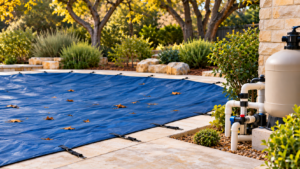
Pool winterization is the process of shutting down a swimming pool for the colder months while protecting its plumbing, equipment, and water quality.
Unlike regular winter pool maintenance, which keeps an operating pool clean and functioning, winterization prepares the pool for an extended period without normal circulation.
The process generally involves:
- Cleaning the swimming pool and removing debris.
- Testing and balancing water chemistry.
- Lowering the water level when required.
- Draining pumps, filters, heaters, and other equipment.
- Clearing water from vulnerable plumbing lines.
- Installing appropriate winterizing plugs.
- Adding winterizing chemicals when necessary.
- Securing the pool with a suitable winter cover.
The exact procedure depends on the pool’s design, equipment, plumbing, and manufacturer requirements.
Do All Austin Swimming Pools Need Winterization?
No. Many Austin homeowners keep their swimming pools operating year-round because Central Texas typically experiences shorter periods of freezing weather.
However, homeowners who plan to shut down their pools for winter should follow proper winterization procedures.
For pools that remain operational, pool freeze protection in Austin is especially important because their equipment may depend on electricity, circulation, and functioning temperature controls during freezing weather.
Why Is Winterizing A Pool Important In Austin, TX?
Austin’s unpredictable winter weather can put swimming pool equipment at risk, particularly when temperatures remain below freezing for extended periods.
The February 2021 Texas winter storm, commonly called Snowmageddon, brought prolonged freezing temperatures and widespread power outages. Austin also experienced a major ice storm in early 2023 that disrupted electricity across the region.
These events highlight why homeowners should prepare for freezing weather rather than assume Austin’s winters will always be mild.
Prevents Freeze-Related Equipment Damage
Water expands when it freezes. If trapped inside pool pumps, filters, heaters, or plumbing, the resulting pressure can crack equipment and damage connections.
Proper winterization helps remove water from vulnerable components before temperatures drop.
Protects Pool Water Quality
A closed swimming pool still needs properly balanced water.
Testing and adjusting water chemistry before shutdown can help prevent algae growth, staining, scaling, and surface damage during winter.
Reduces Unexpected Spring Repairs
Equipment problems may remain unnoticed while a pool is closed.
Properly draining and protecting equipment before winter can help reduce the risk of discovering cracked pipes, damaged pumps, or leaks when reopening the pool.
How To Winterize A Pool: 8 Essential Steps
Winterizing a swimming pool involves more than placing a cover over the water. Each step helps prepare the pool and its equipment for an extended shutdown.
1. Thoroughly Clean Your Swimming Pool
Start by removing leaves, dirt, and organic debris from the pool.
Before closing your pool:
- Skim leaves and floating debris.
- Brush the pool walls, steps, and floor.
- Vacuum accumulated dirt.
- Empty skimmer and pump baskets.
- Clean or backwash the filter as appropriate.
A clean pool is less likely to develop staining, excessive debris buildup, or water quality problems during winter.
Our pool cleaning services can help Austin homeowners maintain their pools before seasonal shutdown.
2. Test And Balance Pool Water Chemistry
Proper water chemistry helps protect pool surfaces and equipment while the pool is closed.
Before winterizing, test the water for pH, total alkalinity, calcium hardness, and sanitizer levels.
General operating ranges for many residential pools include:
| Water parameter | General target range |
|---|---|
| pH | 7.2–7.8 |
| Total alkalinity | 80–120 ppm, depending on the system |
| Free chlorine | Typically 1–3 ppm, subject to stabilizer levels and applicable guidance |
| Calcium hardness | Depends on pool surface and water balance |
These are general operating ranges, not universal winterization targets. Closing chemistry should account for the pool’s surface, water temperature, sanitizer system, and manufacturer recommendations.
Cold water can affect overall water balance, so adjustments should consider the Langelier Saturation Index (LSI) when appropriate.
3. Inspect Your Pool Pump And Filtration System
Before shutting down your pool, inspect the equipment for existing problems.
Check for:
- Leaks around pumps and connections.
- Cracked or deteriorating plumbing.
- Unusual pump noises or vibrations.
- Dirty or clogged filters.
- Damaged valves or fittings.
- Signs of equipment wear.
Identifying problems before winterization allows time for necessary repairs.
Hill Country Pools provides pool equipment repair services in Austin, including inspections and repairs for pumps, filters, heaters, and other pool components.
4. Turn Off Pool Equipment And Prepare For Shutdown
A complete winterization involves safely shutting down equipment before draining or protecting the system.
Depending on your pool configuration, this may include turning off pumps, heaters, automation, and other connected equipment according to manufacturer instructions.
Pools with automated freeze defense systems require special attention.
A freeze defense system uses temperature sensors and circulation controls to help protect equipment during freezing weather. However, it is not a substitute for properly winterizing a pool that will be completely shut down.
Once a pool is winterized, its equipment should remain in the appropriate shutdown configuration until reopening.
Because electrical systems and plumbing configurations vary, homeowners unfamiliar with the process should seek professional assistance.
5. Lower The Pool Water Level When Necessary
Some winterization procedures require lowering the water level to protect skimmers, plumbing openings, or other components.
However, not every swimming pool needs its water level lowered.
The correct level depends on the pool’s construction, plumbing configuration, and winterization method.
Avoid draining large amounts of water without professional guidance. Improper draining can damage pool surfaces or create structural problems, particularly when groundwater levels are high.
6. Drain And Protect Pool Equipment
Removing water from vulnerable equipment is one of the most important steps in winterizing a pool.
Depending on the system, this may involve:
- Opening manufacturer-designated drain plugs.
- Draining pumps and filter components.
- Draining heaters according to manufacturer instructions.
- Removing water from exposed equipment.
- Protecting valves and connected plumbing.
Water left inside equipment can freeze, expand, and cause cracks.
Always follow manufacturer instructions. Incorrect draining procedures can damage equipment or create safety hazards.
7. Clear And Seal Vulnerable Plumbing Lines
During complete winterization, water may need to be removed from pool plumbing so it cannot freeze inside the pipes.
Professional pool winterization may involve specialized equipment to clear water from suction and return lines.
Once the lines are properly prepared, suitable winterizing plugs may be installed to prevent water from entering vulnerable plumbing.
If pool antifreeze is necessary, only products specifically approved for swimming pool winterization should be used. Automotive antifreeze must never be used.
Improperly clearing plumbing lines can leave trapped water behind or damage equipment. Professional assistance is recommended for homeowners unfamiliar with their pool’s plumbing system.
8. Install A Suitable Winter Pool Cover
After completing the winterization process, a properly fitted pool cover can help keep debris out of the water.
Common options include:
- Safety pool covers.
- Winter debris covers.
- Covers designed for specific pool shapes and configurations.
Choose a cover compatible with your swimming pool and follow the manufacturer’s installation instructions.
A pool cover helps maintain cleanliness but does not replace proper equipment draining and plumbing protection.
Schedule A Freeze Protection Service Before Winterizing Your Pool
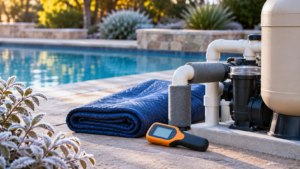
Before shutting down your swimming pool, it’s helpful to know whether your equipment has existing problems that need attention.
At Hill Country Pools, our freeze protection service in Austin, TX is a preventative maintenance visit designed to identify potential freeze-related risks before colder weather arrives.
Our service includes:
- Checking existing freeze protection settings and controls.
- Inspecting pumps, valves, and exposed equipment.
- Identifying vulnerable plumbing and connections.
- Applying pipe insulation or wrapping where needed.
- Installing appropriate protective coverings.
- Providing pool-specific maintenance recommendations.
This service is not the same as complete pool winterization.
Instead, it helps identify equipment problems before winterization or Austin’s annual freeze, giving homeowners time to address potential concerns.
For homeowners who keep their pools running year-round, the service also provides an opportunity to check existing freeze protection features before temperatures drop.
Schedule your freeze protection service before the next cold front.
Should You Completely Close Your Pool During Winter In Austin?
Not every Austin swimming pool needs to be completely winterized.
The decision depends on how you use your pool, its equipment, and whether you plan to keep it operating during the colder months.
Keeping Your Pool Open During Winter
Many Austin homeowners continue operating their pools throughout winter.
This approach generally requires:
- Regular water chemistry testing.
- Routine cleaning and debris removal.
- Proper water levels and circulation.
- Functioning freeze protection controls.
- Equipment inspections before freezing weather.
- An emergency plan for power outages.
For additional guidance, read our article on pool freeze protection in Austin.
Completely Winterizing Your Pool
Homeowners who plan to stop using their pools for an extended period may choose complete winterization.
This involves shutting down equipment, draining vulnerable components, clearing plumbing lines, and preparing the pool for seasonal closure.
Unlike an operating pool, a properly winterized pool is prepared for freezing weather without relying on continuous water circulation.
A professional assessment can help determine the appropriate approach for your swimming pool.
What Should You Do When A Freeze Warning Is Issued In Austin?
If your pool has already been properly winterized, check that its cover, plumbing protection, and equipment shutdown preparations remain secure.
For pools that are still operating:
- Check that the pool water level is sufficient for circulation.
- Confirm that pumps and existing freeze protection controls are functioning.
- Inspect exposed plumbing for damage or vulnerable areas.
- Follow manufacturer instructions for freezing weather.
- Prepare for possible power outages.
If electricity is lost, automated freeze protection may stop working. Follow your equipment manufacturer’s emergency winterization instructions or seek professional guidance.
Do not restart equipment if you suspect water has frozen inside the system.
Common Pool Winterizing Mistakes To Avoid
Even small mistakes during winterization can lead to equipment problems when temperatures drop.
Waiting Until Freezing Temperatures Arrive
Winterizing a pool after temperatures have already dropped can make the process more difficult and increase the risk of trapped water freezing.
Prepare your pool before the first significant freeze.
Failing To Drain Equipment Completely
Water remaining inside pumps, filters, heaters, or plumbing can freeze and damage components.
Follow the correct draining procedures for your equipment.
Ignoring Pool Water Chemistry
Improperly balanced water can cause staining, scaling, and surface damage while the pool is closed.
Test and adjust water chemistry before shutdown.
Lowering The Water Level Incorrectly
Draining too much water can create structural risks, while leaving water in vulnerable plumbing can contribute to freeze damage.
Use the appropriate winterization method for your pool.
Assuming A Pool Cover Provides Freeze Protection
A cover helps reduce debris but does not prevent water inside plumbing or equipment from freezing.
Proper equipment winterization remains essential.
Skipping A Preventative Equipment Inspection
Existing leaks, damaged valves, or worn connections may become more problematic during freezing weather.
Scheduling a freeze protection service before winterization can help identify concerns early.
How Do You Maintain A Winterized Pool?
A closed swimming pool still requires occasional attention throughout winter.
Homeowners should periodically:
- Check that the winter cover remains secure.
- Remove excessive debris from the cover.
- Monitor water levels according to the winterization plan.
- Check for visible damage around exposed equipment.
- Follow appropriate water chemistry monitoring recommendations.
Avoid operating winterized equipment until the pool has been properly reopened.
When warmer temperatures return, inspect the pool and equipment before restarting normal circulation.
Frequently Asked Questions About Pool Winterization
At What Temperature Should I Winterize My Pool?
Complete winterization before freezing temperatures arrive. Water begins freezing at approximately 32°F (0°C), but equipment damage depends on exposure, duration, and trapped water.
Do You Have To Winterize An Inground Pool In Texas?
Not always. Many Austin homeowners keep their pools operating year-round. However, pools being shut down for winter should be properly winterized to protect plumbing and equipment.
Can I Leave My Pool Running All Winter?
Yes. Many Austin pools remain operational throughout winter with proper maintenance, circulation, and freeze protection. Homeowners should also prepare for freezing temperatures and potential power outages.
Do I Need Special Chemicals To Winterize My Pool?
Some pools require winterizing chemicals to help maintain water quality during seasonal closure. The appropriate treatment depends on the pool’s water chemistry, surface, and equipment.
Should I Drain My Entire Pool Before Winter?
Generally, no. Complete winterization usually involves draining specific equipment and plumbing rather than emptying the entire pool. Improper draining can cause structural damage.
Can Freezing Temperatures Damage My Pool Pump?
Yes. Water trapped inside a pump can freeze, expand, and crack the housing or other components. Properly draining vulnerable equipment helps reduce this risk.
Is A Freeze Protection Service The Same As Pool Winterization?
No. A freeze protection service is a preventative maintenance visit that checks equipment and identifies potential problems before winter. Pool winterization involves shutting down and protecting a swimming pool for the colder months.
When Should I Schedule A Freeze Protection Service?
Schedule before Austin’s first significant freeze or before you plan to winterize your pool. This allows time to identify and address equipment concerns.
How Much Does Pool Winterization Cost In Austin?
The cost depends on pool size, equipment, plumbing complexity, and the work required for seasonal shutdown. Contact a pool professional for an assessment and pricing.
Prepare Your Austin Pool For Winter With Hill Country Pools
Winterizing your swimming pool helps protect plumbing, pumps, filters, and other equipment while your pool is shut down for the colder months.
Before beginning the process, consider scheduling a preventative equipment inspection to identify potential problems.
At Hill Country Pools, we’ve served Austin homeowners since 1972, providing professional pool maintenance, cleaning, and equipment repair services.
Our freeze protection service helps homeowners identify freeze risks before winterization or Austin’s next cold front.
For homeowners keeping their pools open, our pool freeze protection guide provides additional winter preparation tips.
Call Hill Country Pools at (512) 343-2237 or contact our team to schedule your preventative freeze protection inspection.
We’re on FIRE to serve you—even when temperatures drop!


