

Owning a pool in Austin is one of life’s great pleasures, but the city’s climate comes with some real challenges. Between the brutal summer heat that regularly pushes past 100°F, the mild but occasionally freezing winters, and the hard limestone water that flows through Hill Country taps, your pool needs a care plan built specifically for Central Texas. Following a smart austin pool maintenance schedule is the single best thing you can do to protect your investment, extend your pool’s lifespan, and keep the water safe and inviting all year long. Whether you’re a first-time pool owner or a longtime Austin resident looking to dial in your routine, this guide walks you through every season.
Spring Pool Opening Checklist for Austin Homeowners
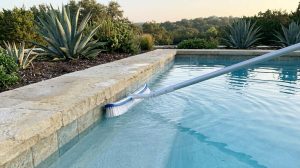
Spring is the most exciting time of year for pool owners. Austin’s warm weather arrives early, and by March or April most homeowners are itching to get back in the water. Getting your pool open the right way sets the tone for the entire swim season.
Ideal Timing: Aim for late March through mid-April, when consistent daytime temps settle above 70°F. Don’t wait too long; warmer weather accelerates algae growth in a stagnant, unbalanced pool.
Step-by-Step Spring Opening Tasks:
- Remove and store the pool cover. Clean it thoroughly before folding and storing to prevent mold and extend its life.
- Inspect equipment. Check the pump, filter, heater, and automation systems for any damage that may have occurred over the cooler months. Schedule pool equipment repair early before the summer rush hits.
- Refill water to the proper level. Austin’s dry spring winds can drop water levels faster than you’d expect.
- Test and balance the water chemistry. Check pH (target 7.4–7.6), total alkalinity (80–120 ppm), calcium hardness, and cyanuric acid levels. Hard Hill Country water often requires extra attention to calcium and pH right out of the gate.
- Shock the pool. A good shock treatment eliminates any bacteria or organic buildup that developed during the off-season.
- Brush walls, steps, and the floor. This loosens calcium deposits and any biofilm before you vacuum.
- Vacuum thoroughly. Remove all debris from the bottom before turning the filtration system to full operation.
- Run the system for 24–48 hours and retest. Confirm your chemicals have balanced before declaring the pool open.
A professional pool maintenance service can handle all of this efficiently, ensuring your pool opening Austin is done correctly the first time rather than troubleshot over several weekends.
Summer Heat Maintenance: Austin-Specific Tips
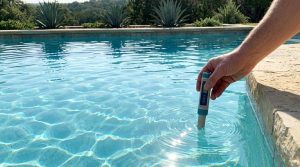
Texas summers are no joke. When temperatures regularly exceed 100°F and the sun beats down from a cloudless sky, your pool chemistry can fall out of balance in a matter of days, not weeks.
Chemical Depletion Happens Fast
Heat accelerates the breakdown of chlorine, especially free chlorine. UV rays destroy unstabilized chlorine in as little as a few hours. During peak summer, plan to test your water at least twice a week and adjust sanitizer levels accordingly. Cyanuric acid (pool stabilizer) helps protect chlorine from UV degradation, so keeping it in the 30–50 ppm range is especially important in Austin summers.
Evaporation and Water Levels
Austin summers can evaporate an inch or more of pool water per week. Monitor your water level regularly and top off as needed. Consistently low water levels can damage your pump and skimmer.
Algae Prevention
Algae thrives in warm, unbalanced water. Weekly brushing, consistent sanitizer levels, and good water circulation are your best defenses. If you notice any green tint or slippery surfaces, act immediately. Algae problems that are caught early cost far less to treat than full blooms.
Filter Cleaning Frequency
During summer, plan to clean or backwash your filter at least every two to four weeks, depending on bather load and debris. A clogged filter strains your pump and reduces the water clarity that keeps your pool inviting. Scheduling a regular pool cleaning service during the busy season ensures nothing slips through the cracks.
Fall Pool Maintenance: Prepare for Cooler Months
Here’s one of the best-kept secrets of Austin pool ownership: fall is one of the finest times of year to use your pool. With highs settling into the 70s and 80s through October and even into November, the water is warm, the crowds are gone, and the backyard is finally comfortable again after months of brutal heat. This is the season to enjoy your investment – with a few smart adjustments to your maintenance routine.
Keep Swimming – Just Adjust Your Routine
As water temperatures begin to drop below 80°F in October, chemical demand starts to ease. Chlorine breaks down more slowly in cooler water, and algae growth begins to slow. You can gradually scale back from twice-weekly chemical testing to weekly, and reduce the frequency of shock treatments. That said, don’t abandon your routine entirely – a neglected fall pool can surprise you with problems when warm weather returns.
Debris Load Increases
Fall brings one of Austin’s biggest pool challenges: tree debris. Cedar, live oak, and Texas oak trees shed leaves, acorns, and seeds throughout the season, and cedar pollen – notorious across the Hill Country – can begin as early as November. Plan to increase your skimming and brushing frequency as seasonal shedding peaks, and check skimmer baskets more often than you would in summer.
Equipment Inspection Before the Cold Arrives
October and early November are the ideal time to inspect your equipment before temperatures drop. Check the pump, filter, heater, and automation systems for any wear that built up over the summer. This is also a good time to verify that your freeze protection hardware is in place and functioning – before you actually need it.
- Test that freeze guards are installed and operational on your pump and automation system.
- Know where your main shutoffs are.
- Service your heater if you plan to extend the swim season deeper into fall.
Water Chemistry in Fall
- Continue weekly water chemistry tests through October and November.
- Reduce shock frequency as bather load drops and temperatures cool.
- Add a winter algaecide treatment in November to prevent growth during the months when you’ll be checking the pool less frequently.
- Keep pH in the 7.4–7.6 range – hard Hill Country water will still push pH upward even as temperatures fall.
Winter Pool Care: Protecting Your Pool Through Freezes
Unlike pool owners in northern states who drain and winterize completely, most Austin homeowners keep their pools operational year-round. Temperatures rarely stay cold enough long enough to justify a full shutdown – but that doesn’t mean winter is maintenance-free. Austin’s winters are mild most of the time, and then suddenly they’re not.
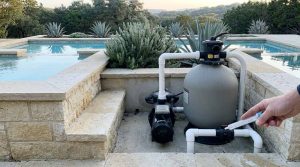
No Full Closure Needed – But Stay Prepared
The February 2021 freeze was a wake-up call for pool owners across Central Texas. Cracked pipes, damaged pumps, and frozen automation systems caused widespread and costly damage. That kind of event is not as rare as it once seemed, and being prepared is far cheaper than emergency repair work.
Freeze Protection Essentials
- Keep the pump running during freezing temperatures. Moving water won’t freeze as easily as standing water. This is your single most important defense.
- Confirm your freeze protection automation is active. Modern pool automation systems have freeze protection settings that automatically run the pump when temperatures drop. Verify yours is working before cold weather arrives.
- Know your shutoffs. If your system does freeze, knowing how to shut off water quickly can prevent a small problem from becoming a major one.
- Protect exposed equipment. Heater and pump housings can be wrapped or sheltered if a prolonged freeze is forecast.
- Remove and store accessories. Floats, ladders, and other accessories can become brittle in cold weather – bring them in before a hard freeze.
Reduced But Consistent Maintenance
During the cooler months of December and January, algae growth slows considerably and chlorine demand drops. Weekly water testing is sufficient, and you can reduce the frequency of brushing and vacuuming. However, it’s important to stay consistent:
- Maintain weekly water chemistry checks through the winter.
- Keep pH and alkalinity balanced – a pool that drifts out of range in December is harder to correct come March.
- Brush and skim as needed, particularly after storms or high winds bring debris.
- Run the pump long enough each day to maintain circulation and keep the system healthy.
After a Freeze
Once cold weather passes, inspect your equipment thoroughly before resuming normal operation. Check for:
- Cracked or separated pipes
- Damaged pump seals or housing
- Pressure irregularities in the filter system
- Cracks or changes in the pool shell
If you suspect your pool is losing water beyond normal evaporation at any time of year, professional pool leak detection can identify the problem before it causes serious damage.
Hill Country Climate Considerations
Austin’s water supply comes largely from the Edwards Aquifer and Highland Lakes, both of which flow through limestone-rich geology. That geology creates what pool pros call “hard water,” and it adds a layer of complexity to pool maintenance that homeowners in other parts of the country simply don’t deal with.
Hard Water and Calcium Buildup
High calcium hardness, common throughout the Hill Country, leads to scale buildup on pool surfaces, waterline tiles, and inside your equipment. White or grey crusty deposits around jets, skimmers, and along the waterline are classic signs. Left untreated, calcium scale can permanently etch plaster surfaces and restrict flow through your equipment.
Caliche, Minerals, and Equipment Wear
The minerals in Austin’s water, particularly calcium and magnesium, also accelerate wear on pool equipment. Heater heat exchangers, salt cell plates, and pump internals are all susceptible. Regular descaling treatments and consistent pH management help extend equipment life significantly.
pH Balancing Challenges
Hard water naturally pushes pH upward, meaning you’ll be adding pH decreaser more often than pool owners in softer-water regions. Keeping pH in the 7.4–7.6 range is critical: water that’s too alkaline causes scale and cloudy water, while water that’s too acidic attacks plaster, metal fittings, and swimmers’ skin and eyes.
Tree Debris Load
Austin is famous for its beautiful canopy of cedar, live oak, and Texas oak trees. That canopy also means constant debris in your pool: leaves, pollen (especially during mountain cedar season in winter), acorns, and tree seeds. Heavy debris loads stress your skimmer baskets and filter, so brushing and skimming frequency should increase when seasonal shedding is at its peak.
Structural concerns like ground movement, common in Austin’s expansive clay soils, can also cause cracks and leaks. If you suspect your pool is losing water beyond normal evaporation, professional pool leak detection can identify the problem before it causes serious damage.
Year-Round Pool Maintenance in Austin: Is It Worth It?
Short answer: yes, absolutely.
Austin’s climate allows for swimming roughly nine to ten months out of the year, compared to just three or four months in northern states. That extended season is exactly why consistent, year-round maintenance pays off so well here.
The Cost of Neglect
Pool problems almost never fix themselves. A small algae bloom that could have been prevented with a $30 shock treatment can grow into a full pool green-out requiring hundreds of dollars in chemicals and professional labor. A minor equipment leak that goes unnoticed can damage surrounding decking, erode the pool shell, and spike your water bill over time.
Preventative vs. Reactive Maintenance
Consistent monthly pool services keep your water balanced, your equipment running efficiently, and small issues identified before they become expensive repairs. Reactive maintenance, waiting until something goes wrong, is almost always more costly and disruptive.
Partnering with a Local Expert
Working with a trusted pool services company that knows Austin’s water chemistry, seasonal patterns, and local equipment considerations is worth far more than the cost of a service plan. Hill Country Pools has been serving Austin homeowners since 1972, with licensed technicians covering water chemistry, pool lights, repair and replacement, and automation systems. And unlike many providers, they require no contracts, so you get expert care without any long-term commitment.
Recommended Austin Pool Maintenance Schedule (Monthly Breakdown)
Use this as your baseline guide. Adjust frequency based on bather load, weather events, and your pool’s specific equipment.
| Month | Key Tasks |
| January | Weekly water test, brush and skim, monitor freeze protection, algaecide treatment |
| February | Weekly water test, check equipment post-freeze, inspect for leaks, brush and vacuum |
| March | Full spring opening inspection, balance chemicals, shock pool, clean filter, test all equipment |
| April | Weekly chemical testing, brush walls and floor, vacuum, begin increasing sanitizer for warming temps |
| May | Twice-weekly water tests, adjust stabilizer for UV increase, clean filter, check water level |
| June | Twice-weekly water tests, shock weekly, brush and vacuum 2x/week, clean filter every 2 weeks |
| July | Twice-weekly water tests, daily water level check, algae inspection, shock weekly, filter clean |
| August | Same as July, watch for algae closely, check pump baskets frequently, monitor evaporation |
| September | Return to weekly testing, shock treatment, brush and vacuum, inspect equipment for summer wear |
| October | Weekly water test, reduce shock frequency, check automation and freeze guards before cold weather |
| November | Weekly water test, add winter algaecide, reduce chlorine demand monitoring, inspect cover if used |
| December | Weekly water test, run pump during freezes, brush and skim as needed, equipment check |
Core Tasks Every Month:
- Water chemistry test (pH, chlorine, alkalinity, calcium hardness)
- Brush walls, steps, and floor
- Vacuum pool floor
- Clean skimmer and pump baskets
- Inspect all equipment for leaks or unusual noise
- Check and maintain proper water level
Ready to Put Your Pool on Autopilot?
Managing an Austin pool on your own is entirely possible, but it takes consistent time, attention, and a good understanding of Hill Country water chemistry. For homeowners who’d rather spend their time swimming than troubleshooting, partnering with a professional makes all the difference.
Hill Country Pools has been serving Austin pool owners since 1972, and that kind of experience shows. As a trusted pool services company with deep roots in Central Texas, the team brings licensed technicians to every job, covering everything from water chemistry and pool lights to repair and replacement, automation systems, and full seasonal maintenance. They know Austin’s hard water, its brutal summers, and its surprise freezes, because they’ve been handling all of it for over 50 years.
One more thing that sets Hill Country Pools apart: no contracts required. You get professional, flexible pool maintenance service on your terms, without being locked into a long-term agreement. Investing in consistent care saves you time, protects your equipment, reduces the risk of costly repairs, and extends the lifespan of your pool. Contact Hill Country Pools today to set up a customized maintenance plan built around your pool, your yard, and the Austin climate you live in.


